When I first started travelling to Sierra Leone and looking more closely at the environmental challenges facing the country, I quickly realised how serious the situation was. One experience in particular has stayed with me ever since.
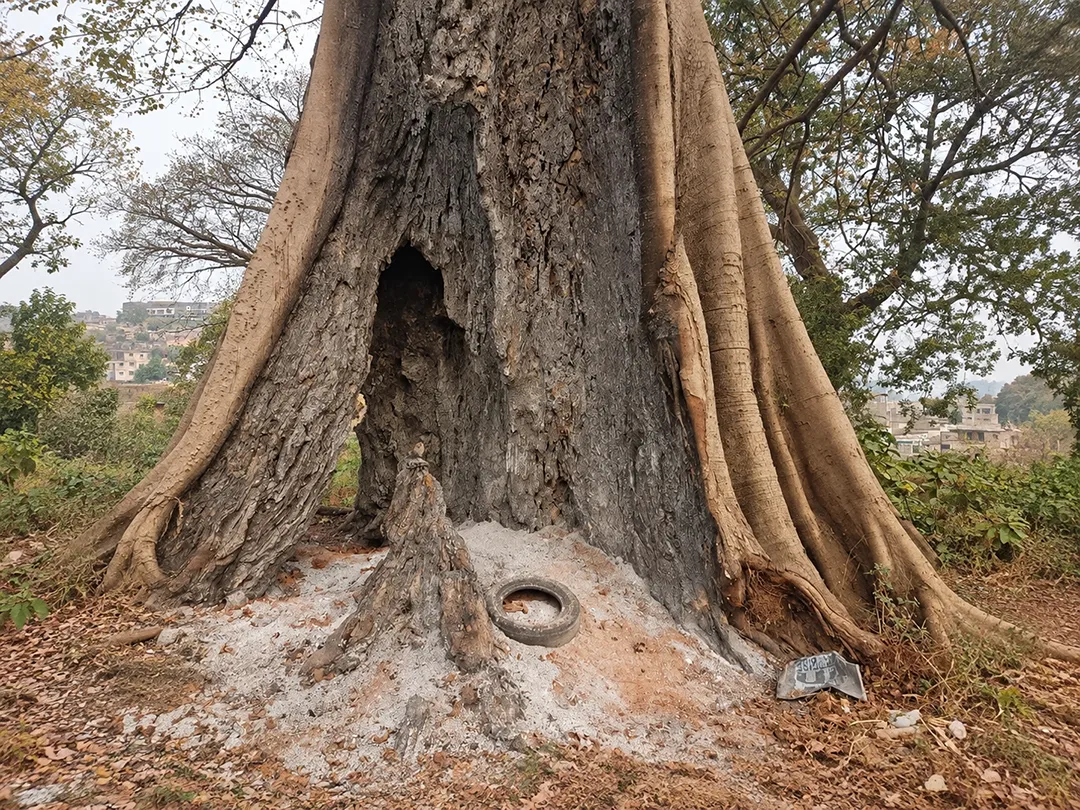
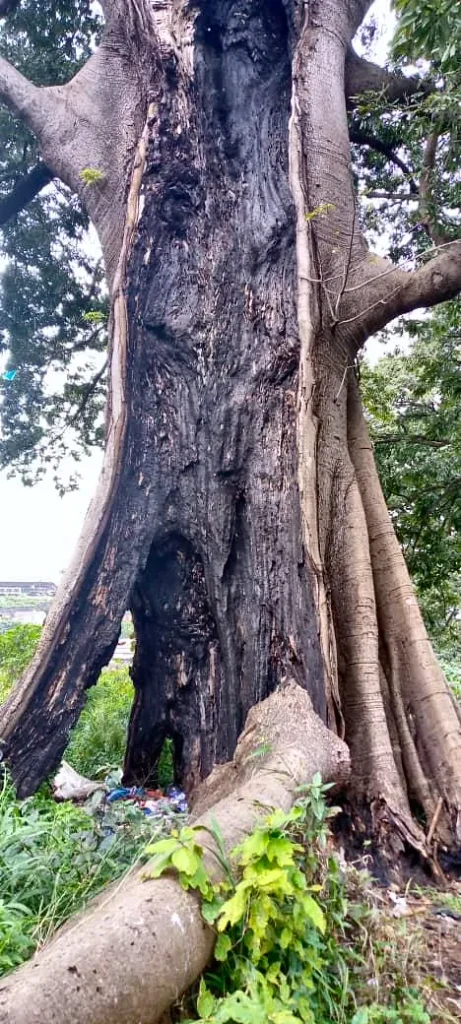
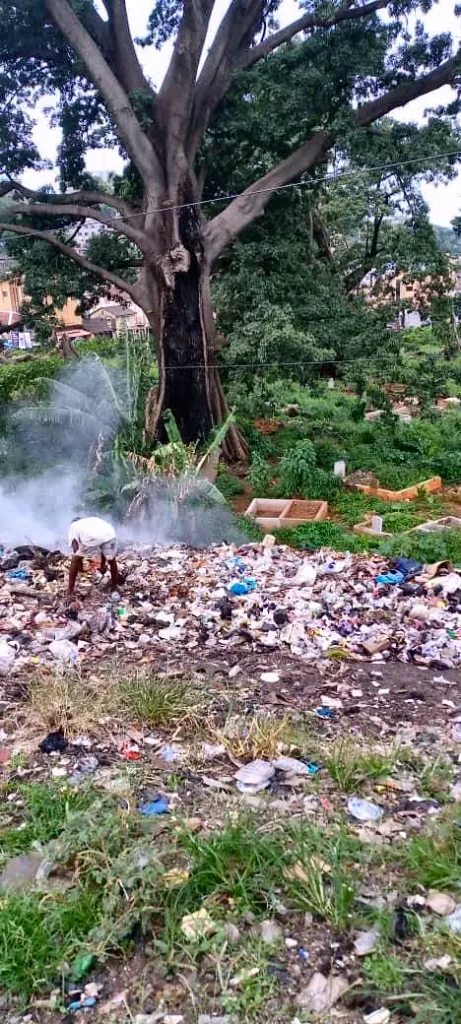
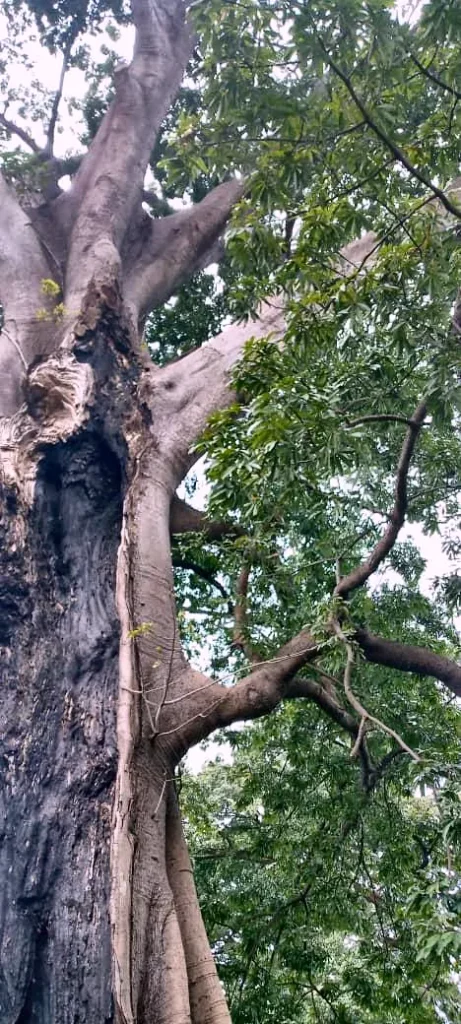
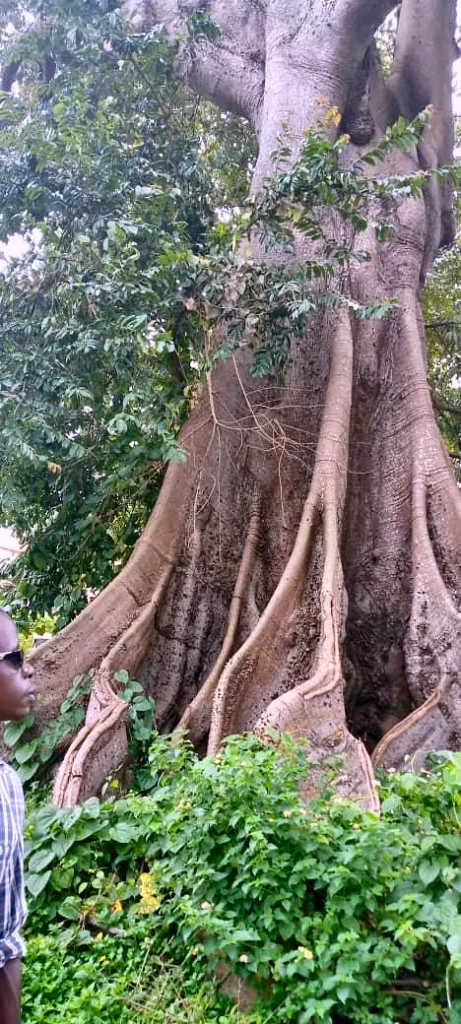
Around 2015, I came across several enormous old trees near a cemetery in the Mountain Cut area of Freetown. These were not ordinary trees. They looked like monumental trees that may have stood there for more than a hundred years. In many countries, trees of this age and size would be protected and recognised as part of the natural heritage. But what I saw was completely different.
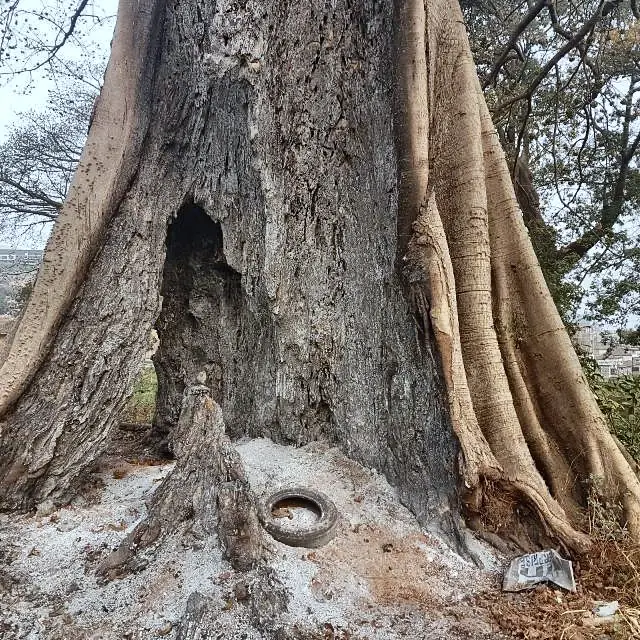
Monumental Trees Being Destroyed
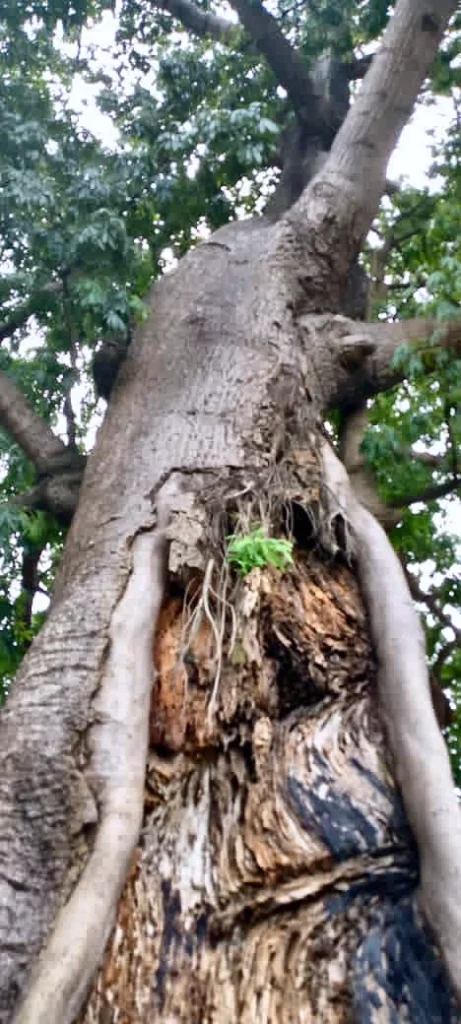
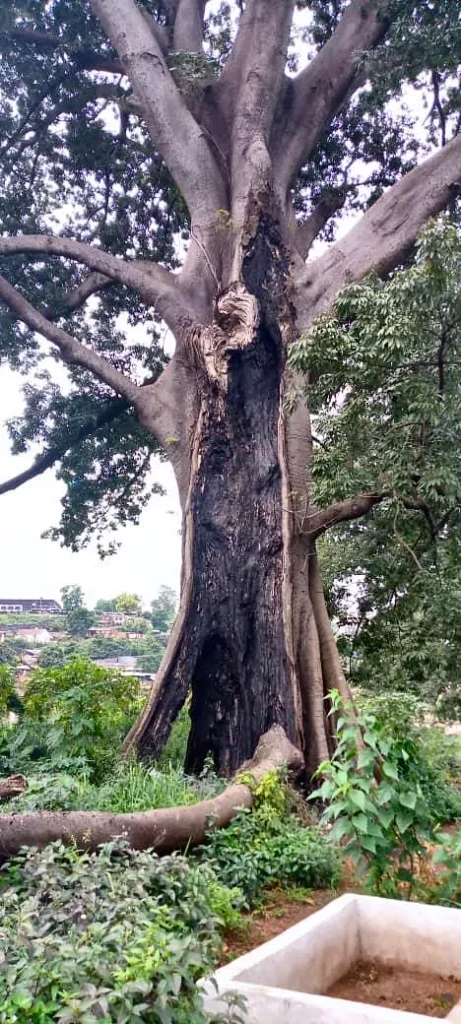
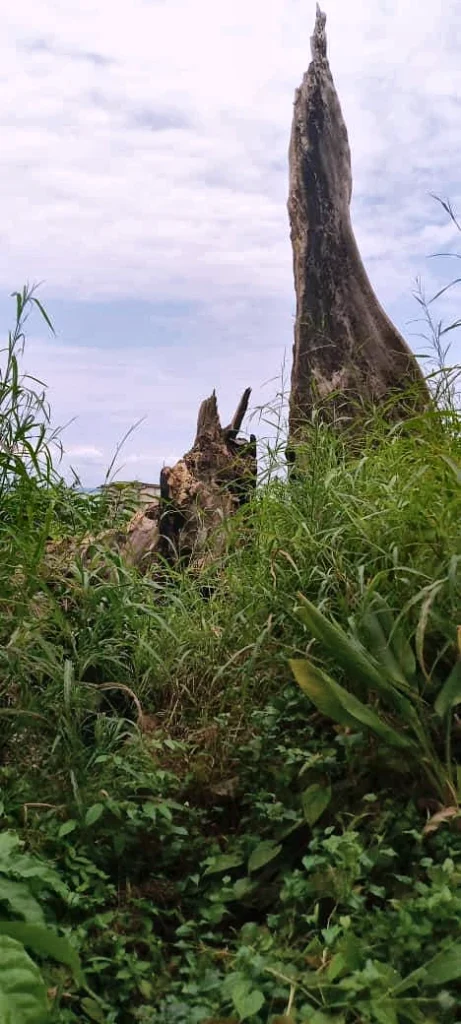
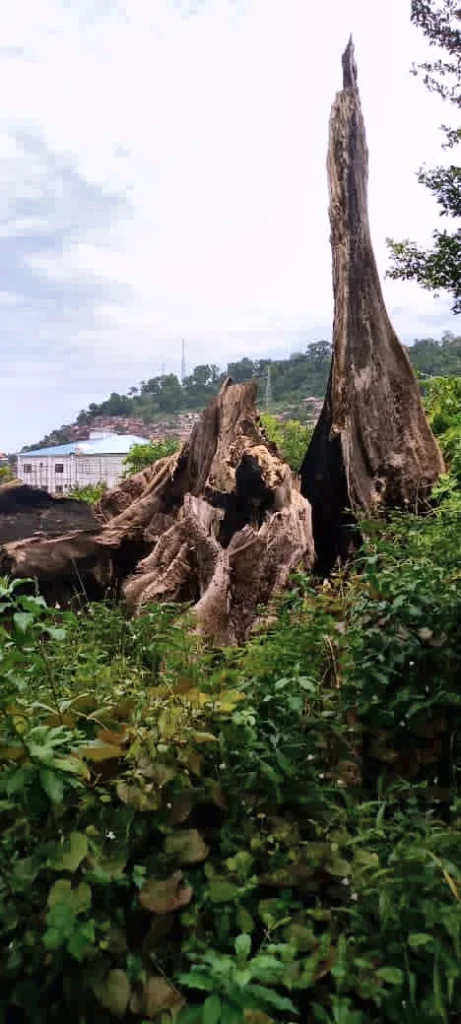
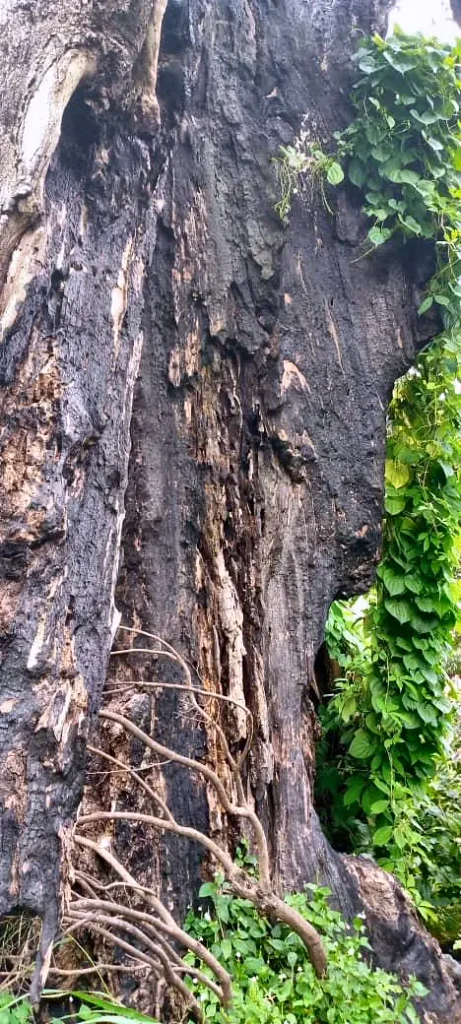
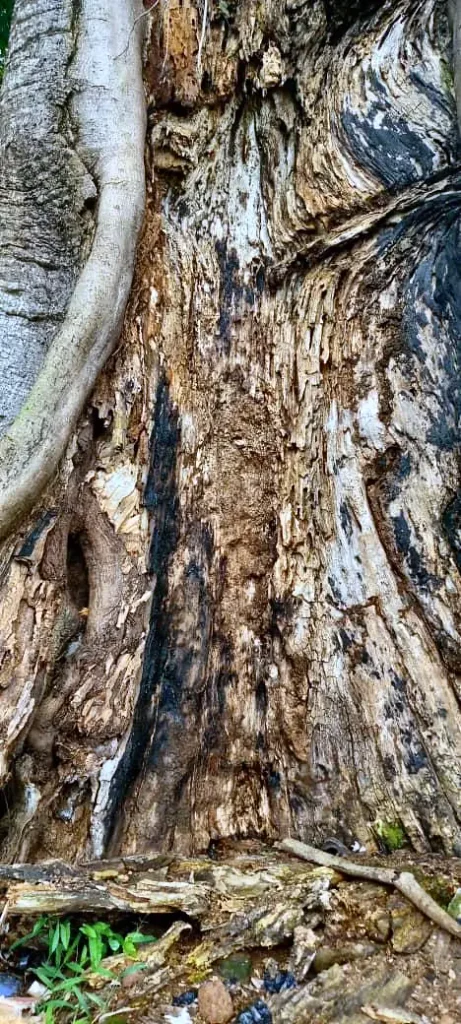
Some of these trees had been badly damaged by fire. One had almost completely burned down, while another had suffered severe damage. According to people in the area, the fires sometimes continued for days or even weeks.
People would place old tyres against the trees and set them on fire. The tyres burned intensely and caused major damage to the trunks. In one case, the fire reportedly spread far enough to affect a nearby house. Only then did the fire brigade arrive.
What shocked me most was that these trees stood in the middle of the city. People walked past them every day, yet the fires continued.
For me, this showed something bigger than the destruction of a few trees. It showed the urgent need for environmental education in Sierra Leone.
Trees Are the Lungs of the Earth
Trees are alive, and they provide services that we often take for granted. They help clean the air, absorb carbon dioxide, provide shade and reduce temperatures. They also contribute to healthier soil and help manage water during periods of heavy rainfall.
I sometimes explain the importance of trees by comparing them to drinking water.
Imagine seeing someone contaminating the water you depend on. Most people would immediately understand that something is wrong and try to stop it.
Destroying trees has a similar effect. When we burn trees and prevent them from doing their natural work, we damage the environment we all depend on. At the same time, burning tyres creates dangerous smoke and additional air pollution.
Protecting trees is therefore not only about nature. It is also about protecting ourselves.
Environmental Awareness Is Still Missing
I once discussed this situation with the mayor of Freetown. We talked about the need to educate people and create greater awareness of the environmental consequences of these actions.
That conversation strengthened my belief that Sierra Leone needs much more environmental education.
The country faces many environmental challenges. Heavy rainfall regularly causes flooding, erosion and dangerous landslides. In the past, landslides around Freetown have caused enormous destruction and loss of life.
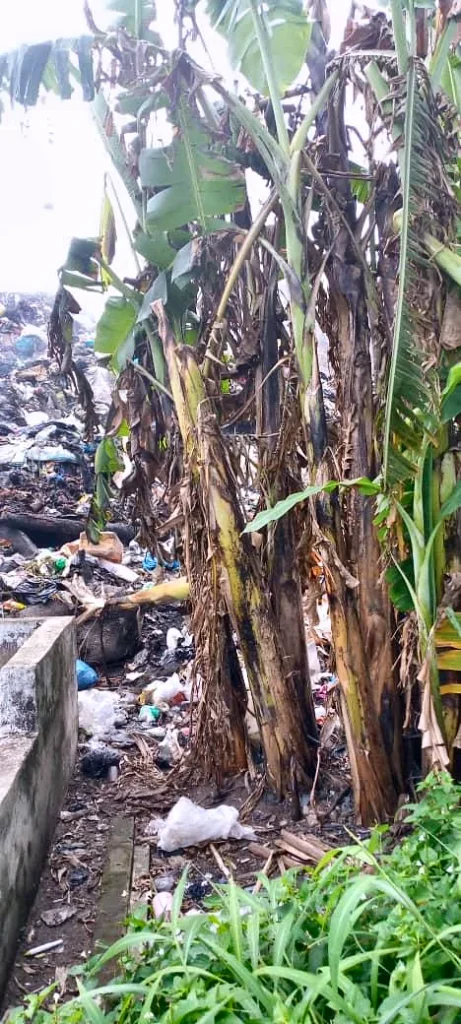
Environmental awareness cannot prevent every natural disaster, but it can help communities understand how deforestation, waste, poor land management and the destruction of vegetation can increase environmental risks.
A Wake-Up Call for Sierra Leone
When I look back at the photographs I took of these damaged trees, I see them as a wake-up call.
In my view, Sierra Leone faces an environmental emergency. Too many people still do not fully understand the importance of protecting trees, forests, water and the natural environment.
That is why environmental education should begin as early as possible. Children, communities, organisations and local authorities all have a role to play.
My hope is that one day we can create places where people from across Sierra Leone can learn about the environment, document environmental problems and share practical solutions.
The challenge is enormous, and sometimes it can feel overwhelming. But every change has to begin somewhere.
Protecting one tree, educating one child or helping one community understand the value of nature may seem small. Together, those actions can become the beginning of real environmental change in Sierra Leone.
Leave a Reply