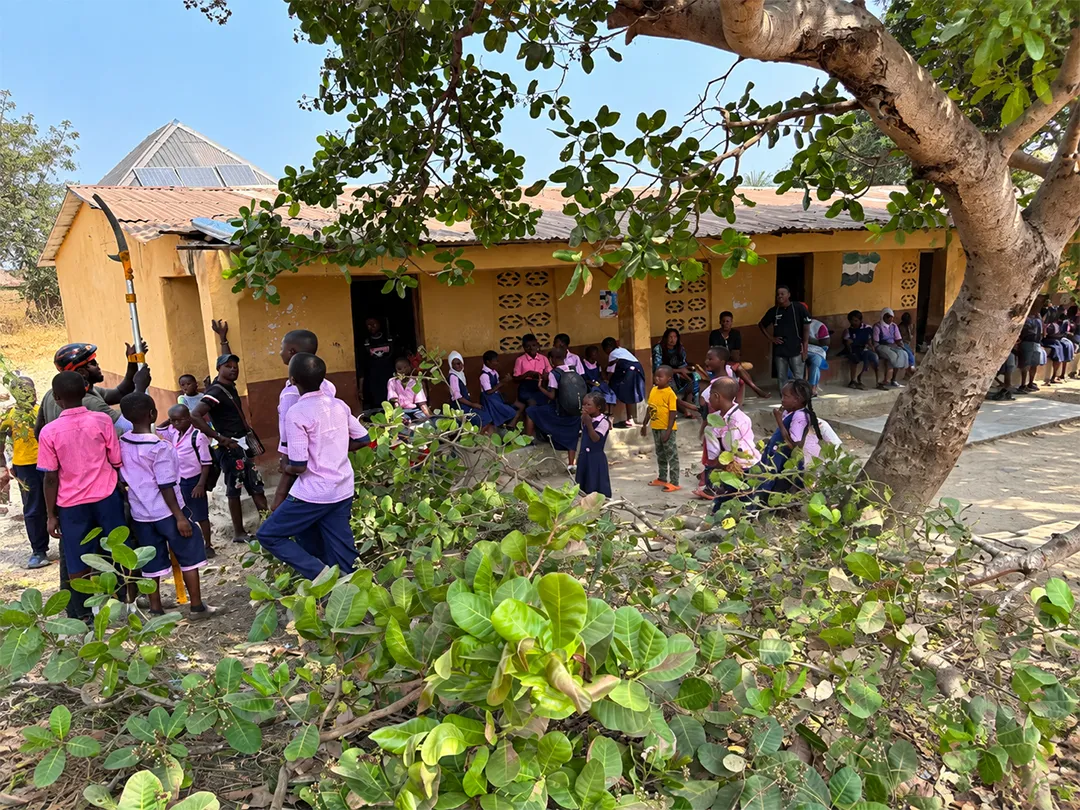
Creating an environmental mindset starts with awareness. At GreenIsLife, we want children to understand from an early age how their daily choices can affect the environment around them. Our goal is simple: to help create a future generation that is more environmentally conscious and responsible.
We do not want to overwhelm children with complicated rules or large environmental problems. Instead, we start with something they see and use every day: waste.
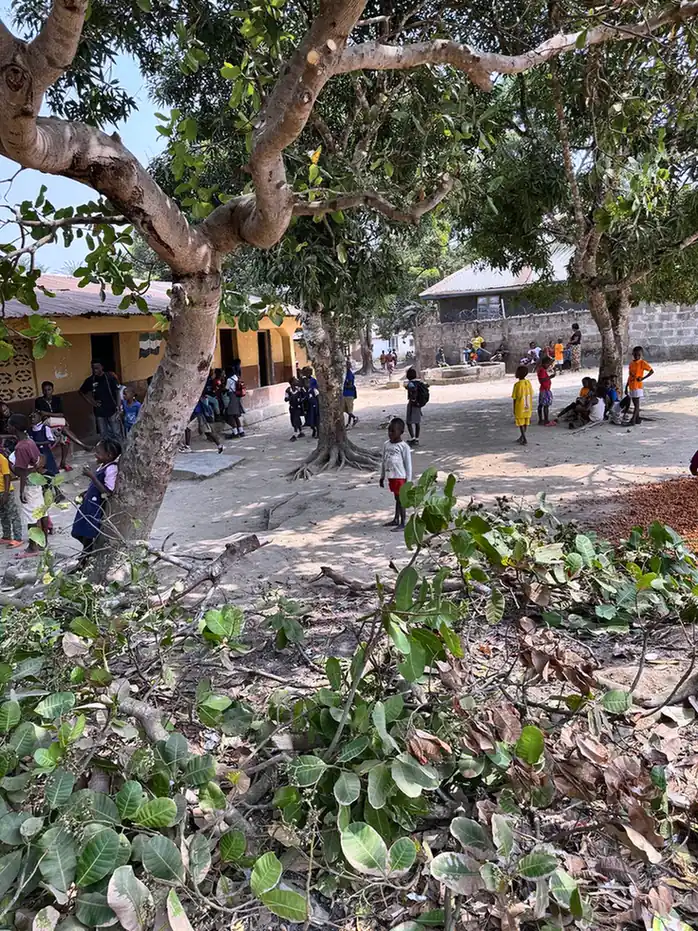
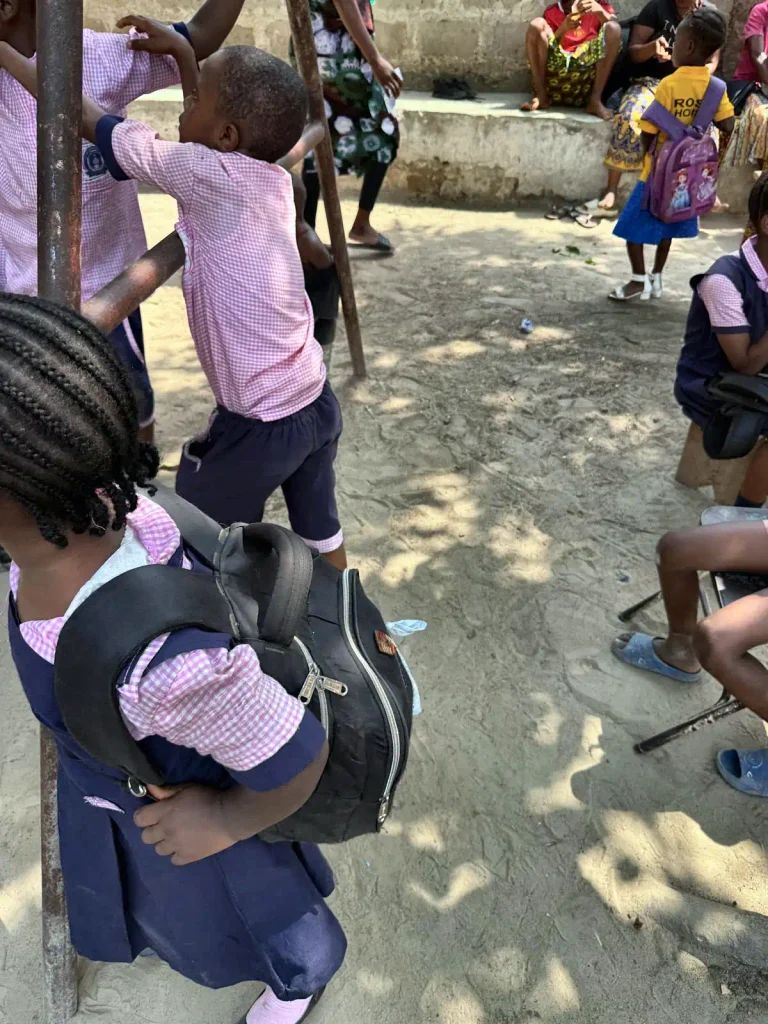
Waste is part of everyday life
Every day, we produce waste. Plastic packaging, paper, cans, wood, food waste and many other materials are thrown away after use.
For many children, waste is simply something they no longer need. But what happens after something is thrown away?
That question is an important starting point.
Waste consists of many different materials, and many of those materials can be reused or recycled. However, this only works properly when waste is collected and separated in the right way.
Through our projects, we want children to understand that not all waste is the same. Plastic is different from paper, metal, wood or stone. Once children learn to recognise these differences, they can also begin to understand why separating waste is so important.
Learning step by step
Environmental awareness does not develop overnight. That is why GreenIsLife believes in taking small and practical steps.
We do not want to give children several different waste bins at once and expect them to immediately understand everything. That can easily become confusing. Instead, we focus on one subject at a time.
In 2026, one of our main projects is Plastic Control.
Through Plastic Control, children learn more about plastic waste. What is plastic? Which plastic products do we use every day? Why can plastic cause problems in the environment? And most importantly: what can we do to prevent plastic from ending up on the streets or in nature?
From there, we also introduce other types of waste. Children gradually learn that paper, metal, wood and other materials all need to be handled differently.
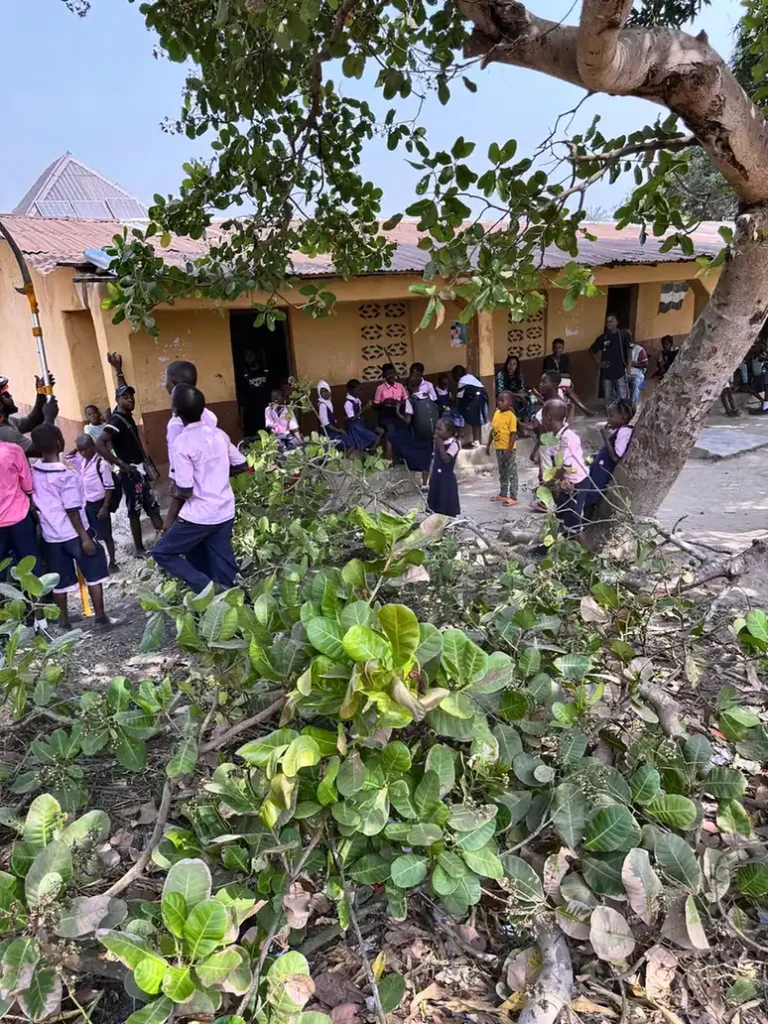
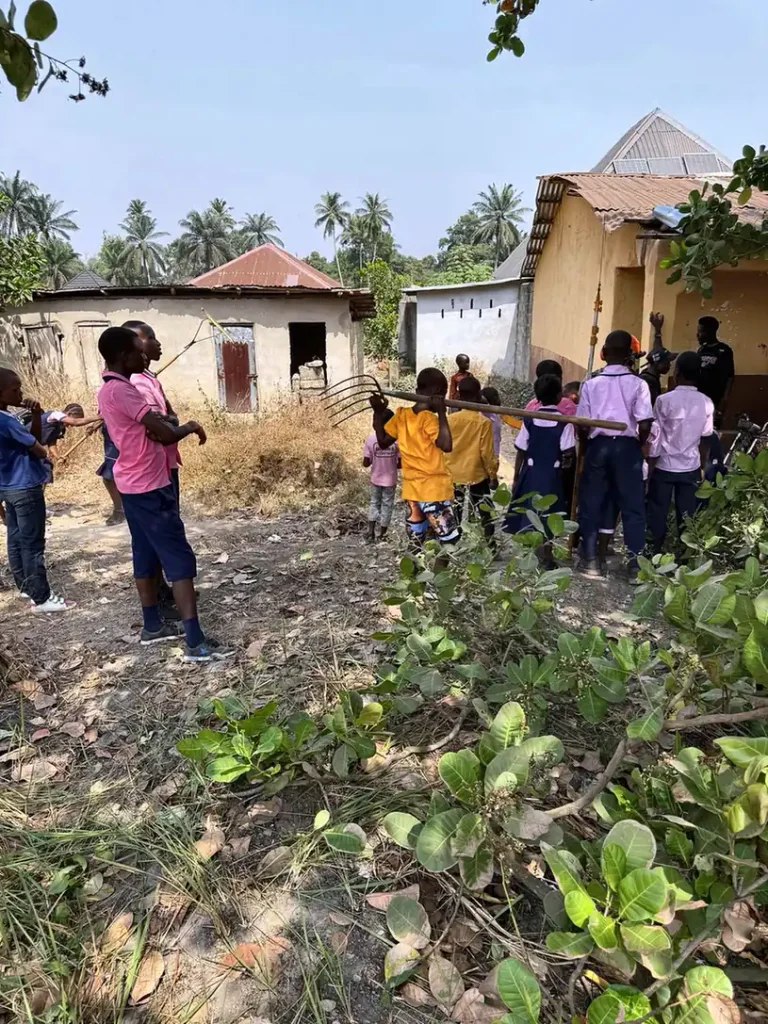
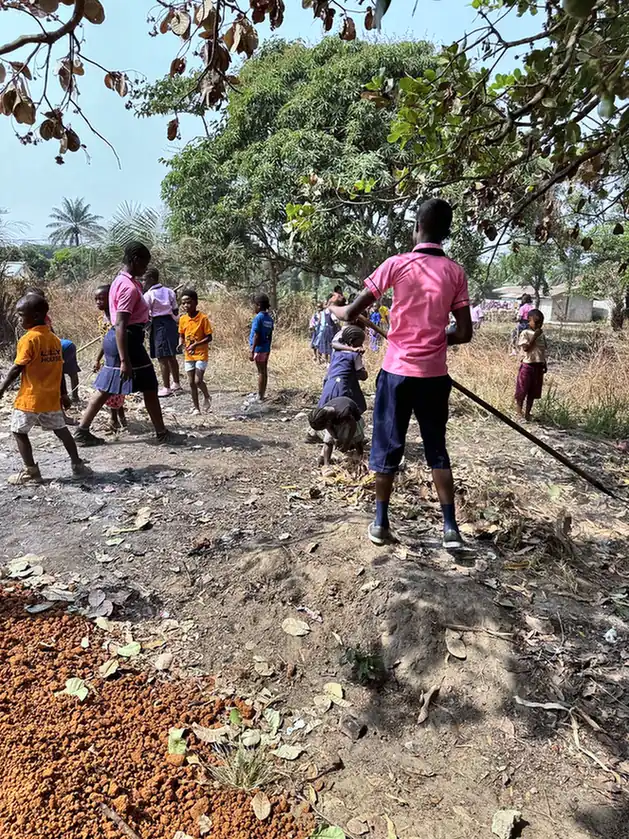
From waste to a new resource
Separating waste has an important advantage: many materials can be used again.
A plastic container that ends up in the correct waste stream can potentially be recycled into new material. The same applies to paper and metal.
This reduces the amount of waste in the environment and lowers the need for new raw materials.
By explaining this process in a simple way, we want children to understand that even small actions can make a difference.
Throwing one piece of plastic into the correct bin may seem insignificant. But when thousands of people make that same choice every day, the impact becomes much larger.
A clean environment starts with our own actions
In many communities, litter is an everyday problem. Different types of waste are thrown together or left on streets, open spaces and in nature.
- Over time, this can make an environment look like a dumping ground. GreenIsLife wants to help change that.
We do not only want to clean up waste. We also want to understand why the problem exists. Why do people throw waste on the ground? Why is waste not separated? What knowledge or facilities are needed to encourage better behaviour?
Our approach therefore combines two important elements: education and action.
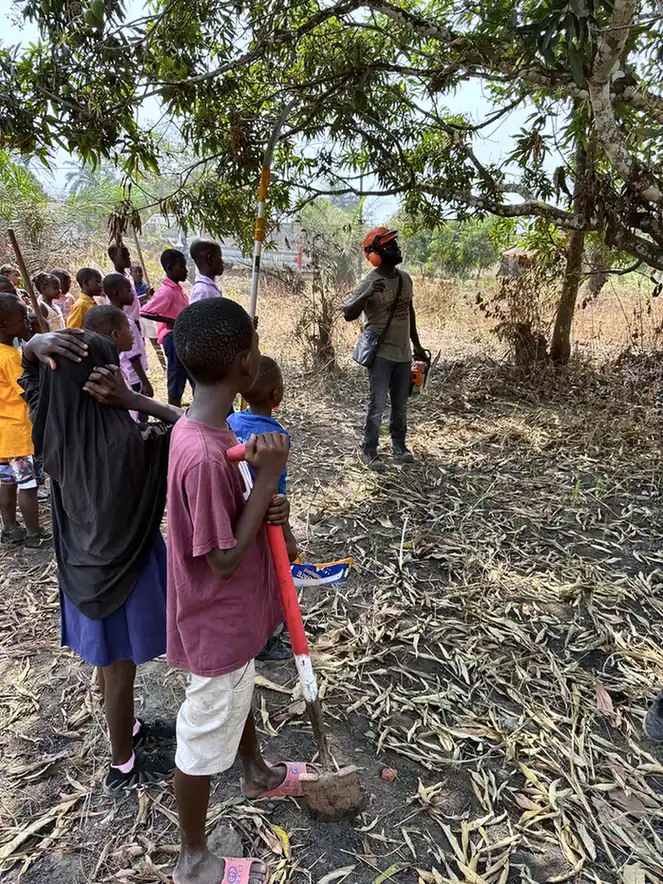
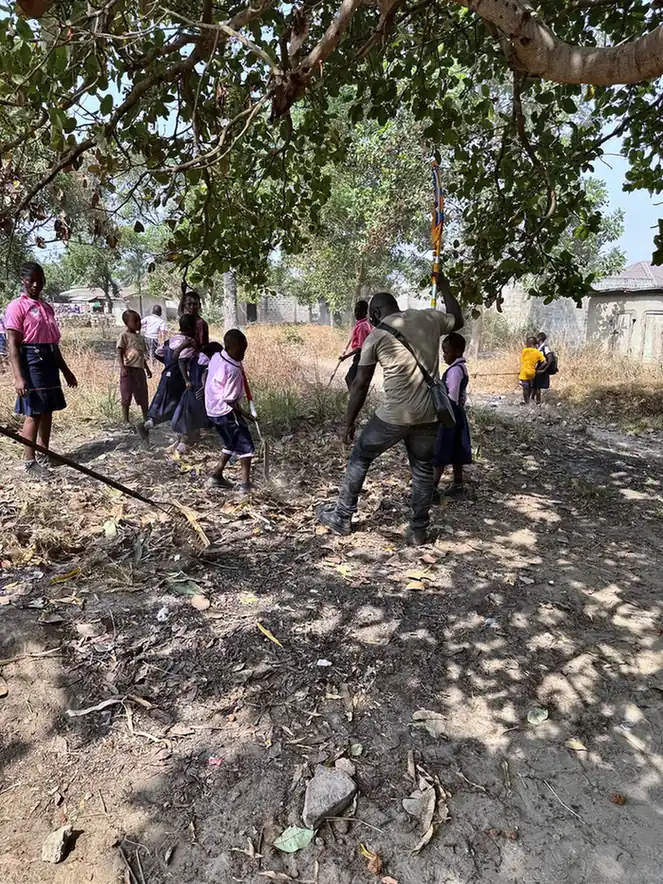
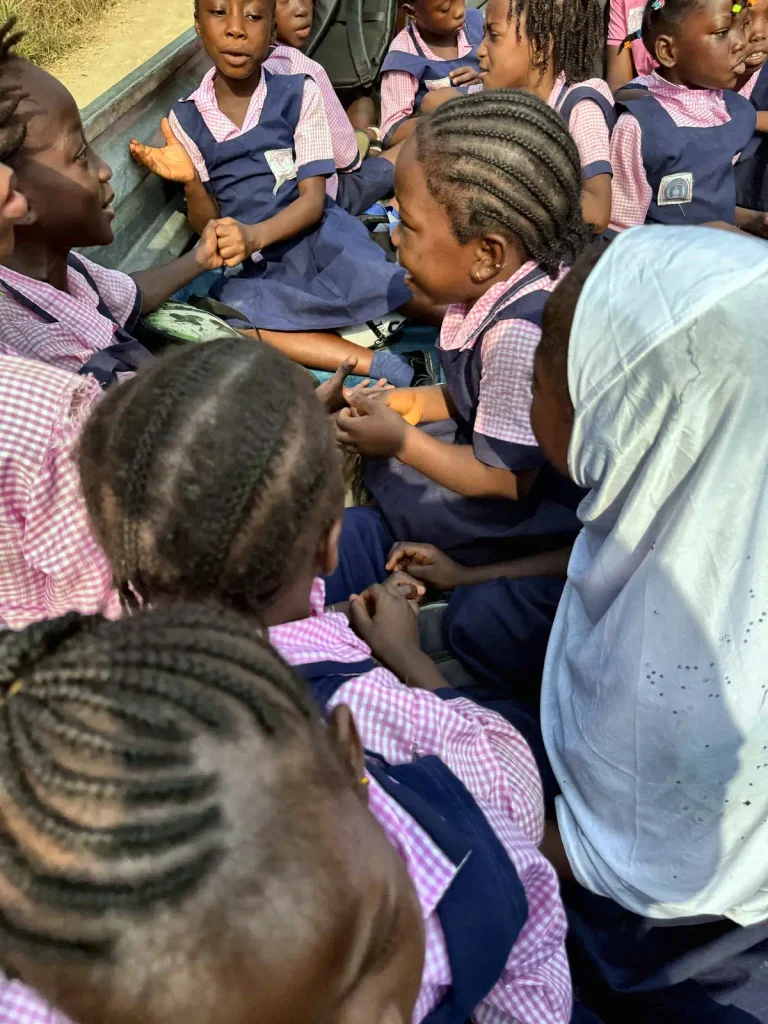
We explain why a clean environment matters, but we also show children what they can do themselves.
Investing in the next generation
Children who learn today how to manage waste responsibly can carry that knowledge with them into the future.
They can share what they learn with their families, friends and communities. Later in life, they may also pass those habits on to the next generation.
That is why environmental education is about much more than teaching children where to put their waste.
It is about creating a mindset.
A mindset in which people understand that everyday choices affect the world around them. A mindset that does not only recognise environmental problems, but also looks for practical solutions.
That is what GreenIsLife stands for: identifying problems, finding solutions and turning knowledge into action.
Leave a Reply